Seeing purple or bluish veins can look alarming, but it usually doesn’t mean anything serious. In most cases, it’s simply how veins appear under the skin.
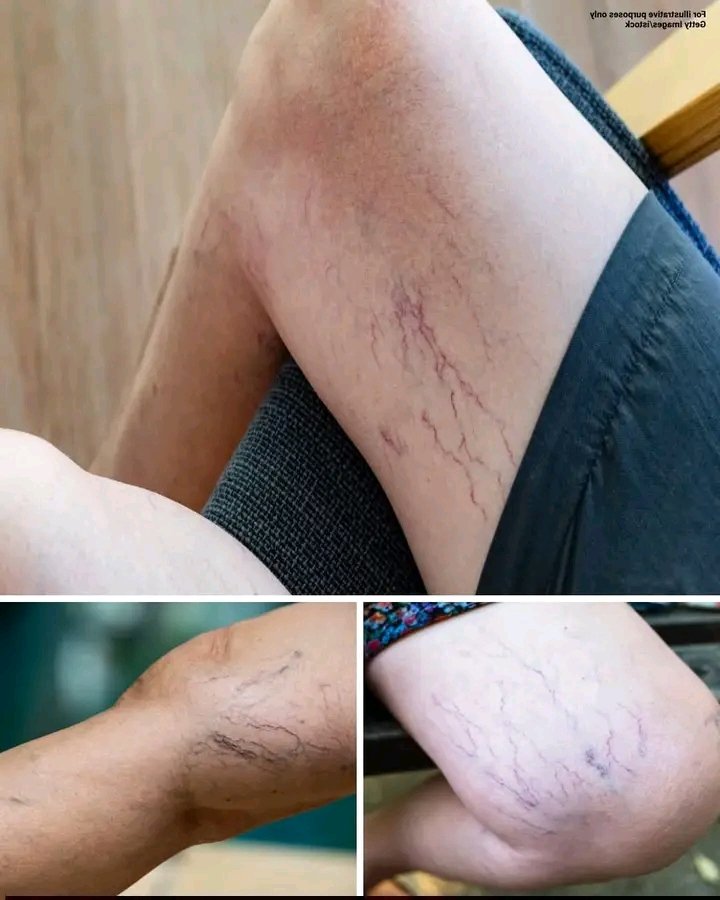
Veins can look blue or purple because of how light passes through the skin and how blood reflects light—not because the blood is actually that color. They may be more visible in people with lighter skin, lower body fat, or thinner skin.
Sometimes, purple veins can be linked to conditions like Varicose veins or spider veins. These may appear more prominent, especially on the legs, and can be associated with standing for long periods, aging, or genetics.
When to Pay Attention
Veins that are bulging, twisted, or painful
Swelling in the legs
Skin changes or discomfort around the veins
In such cases, it’s a good idea to consult a healthcare professional.
Final Thought
Purple veins are usually a normal variation in how your body looks. They don’t automatically signal a problem—but if you notice unusual changes or symptoms, it’s worth getting checked.