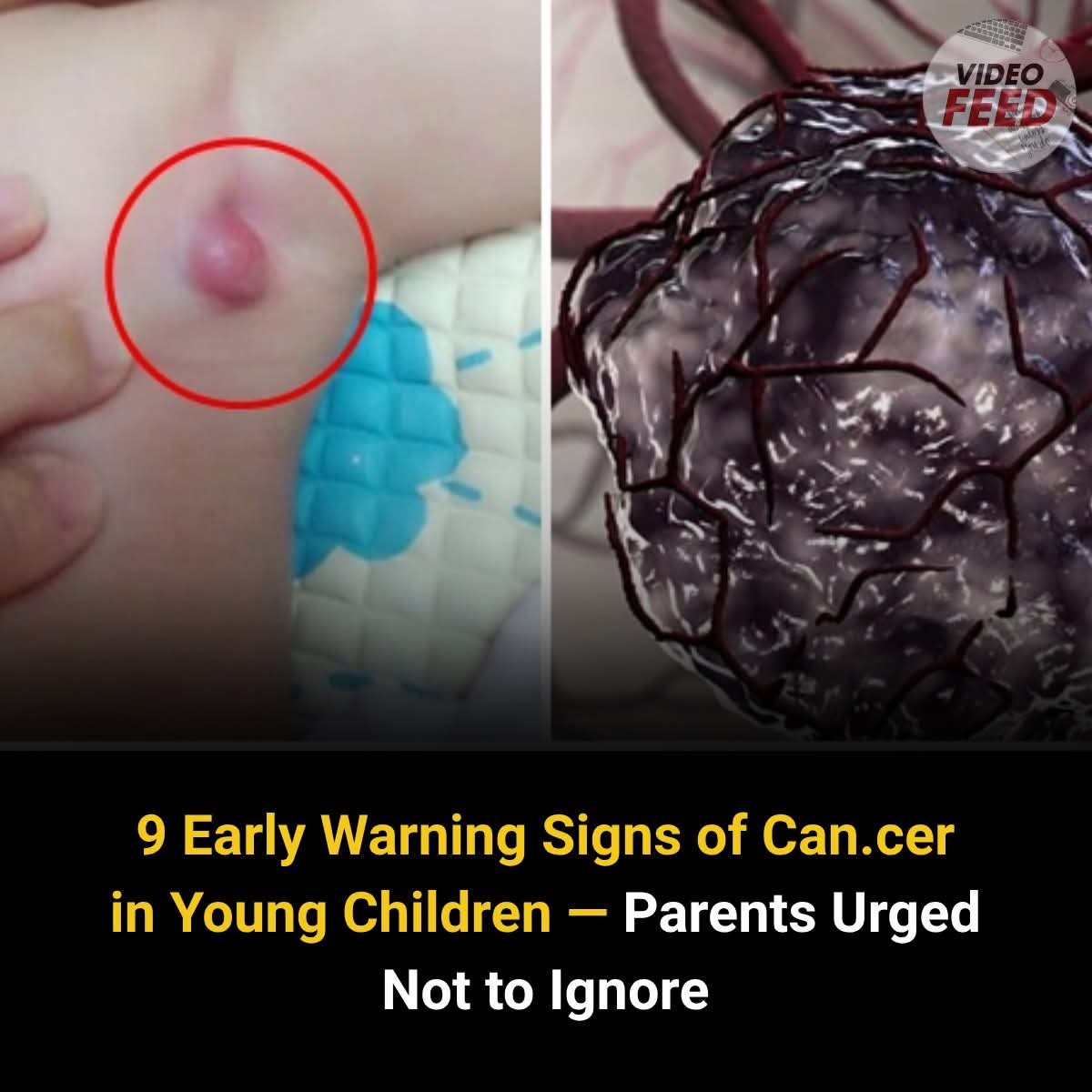
Cancer in children is rare, but early detection can make a big difference in treatment outcomes. The signs can sometimes look like common illnesses, which is why it’s important for parents to notice persistent or unusual changes and seek medical advice when something doesn’t feel right.
1. Unexplained Weight Loss
If a child is losing weight without any clear reason—especially over a short period—it could be a warning sign that needs medical attention.
2. Persistent Fatigue or Weakness
Children are usually active, so ongoing tiredness, low energy, or weakness that doesn’t improve with rest should be taken seriously.
3. Frequent or Unusual Bruising
Easy bruising, frequent nosebleeds, or bleeding gums can sometimes point to blood-related conditions such as Leukemia.
4. Lumps or Swelling
Any unusual lump, swelling, or mass—especially if it grows over time—should be checked by a doctor. This could be related to conditions like Lymphoma or other growths.
5. Persistent Pain
Ongoing pain in bones, joints, or any part of the body without a clear cause may be linked to issues such as Bone Cancer.
6. Prolonged Fever or Recurrent Infections
A fever that doesn’t go away or frequent infections can indicate an underlying problem, including immune system or blood disorders.
7. Changes in Eyes or Vision
White spots in the eye, vision problems, or unusual eye movements can be associated with rare conditions like Retinoblastoma.
8. Persistent Headaches or Vomiting
Severe or ongoing headaches, especially when accompanied by morning vomiting, may be a warning sign of issues involving the brain, including tumors.
9. Changes in Behavior or Balance
If a child shows sudden changes in personality, coordination, or balance, it could indicate a neurological concern that needs evaluation.
When to Act
These symptoms do not always mean cancer—many are linked to common childhood illnesses. However, if any of these signs persist, worsen, or seem unusual for your child, it’s important to consult a healthcare professional promptly.
Final Thought
Staying observant without panicking is key. Early medical advice can provide reassurance or lead to timely diagnosis and treatment if needed.