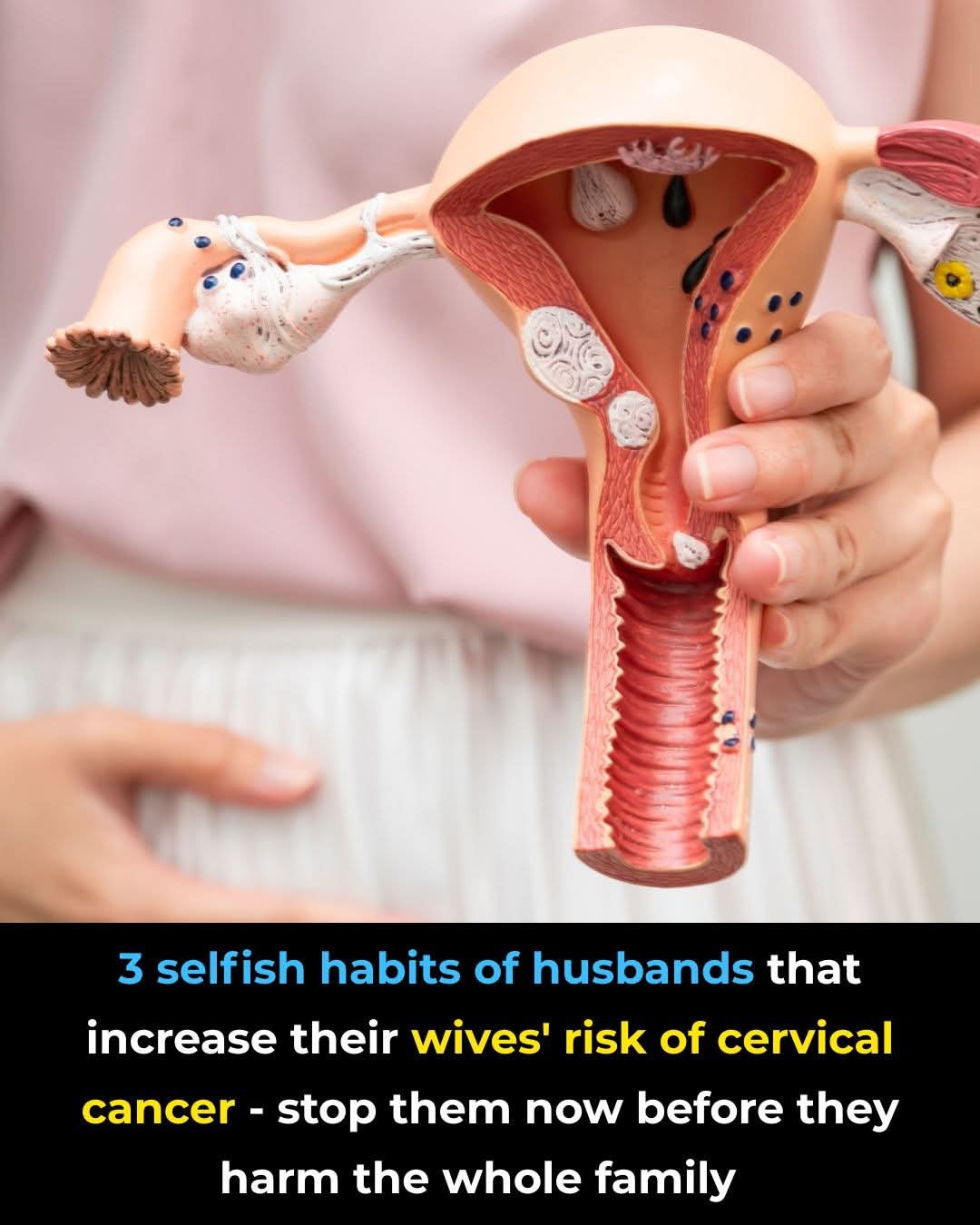
Headlines that blame husbands alone for cervical cancer can be misleading and oversimplified. Cervical Cancer is primarily linked to persistent infection with the human papillomavirus (HPV), a very common virus transmitted through intimate skin-to-skin contact.
However, certain behaviors within relationships may increase a woman’s risk of HPV exposure or reduce the chances of early detection and prevention.
Multiple Sexual Partners Without Protection
One major risk factor for HPV transmission is having multiple sexual partners, especially without protection or regular health screening. If a husband engages in unprotected relationships outside the marriage, the risk of exposing his wife to HPV and other infections may increase.
HPV infections are common and often show no symptoms, which means many people do not realize they carry the virus.
Ignoring Sexual Health and Medical Checkups
Some couples avoid regular health screenings or ignore symptoms related to reproductive health. Delaying medical care, avoiding discussions about sexual health, or refusing preventive measures such as HPV vaccination can increase long-term risks.
Regular screenings like Pap smears help detect abnormal cervical changes early, often before cancer develops.
Poor Hygiene and Unsafe Practices
Maintaining proper intimate hygiene and practicing safe sex can help reduce irritation, infections, and transmission of certain diseases. While hygiene alone does not cause or prevent cervical cancer, overall sexual health habits can influence reproductive well-being.
Important Truth About Cervical Cancer
It is important to understand that cervical cancer is a medical condition influenced by multiple factors, including:
Persistent HPV infection
Smoking
Weak immune system
Lack of screening
Early sexual activity
Multiple sexual partners
Blaming one gender entirely creates stigma and spreads misinformation.
Final Thought
Healthy relationships involve honesty, protection, communication, and shared responsibility for sexual health. Awareness, regular medical screening, HPV vaccination, and safe practices are far more effective than fear-based myths or blame-focused headlines.