Pine trees are widely admired for their beauty, fragrance, and evergreen presence, but one of their most valuable features often goes unnoticed—resin. This sticky, golden substance naturally seeps from the bark of pine trees and has been used for centuries in a variety of practical and traditional ways.
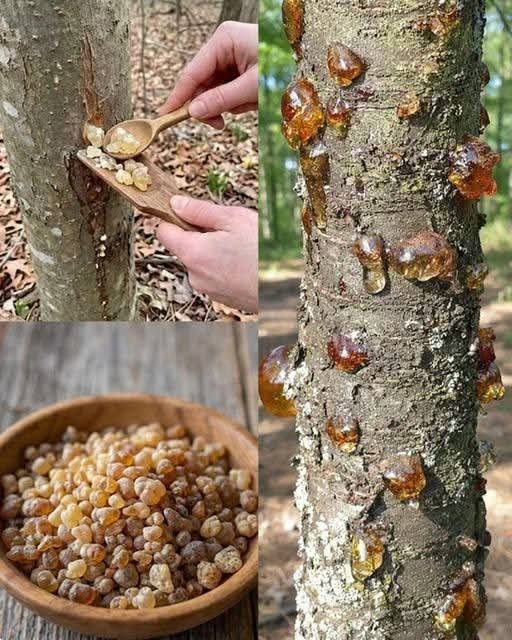
One of the most well-known uses of pine resin is as a natural sealant. Its thick and adhesive nature makes it effective for waterproofing small cracks or sealing containers. Historically, it was used to protect wooden boats and tools from moisture, helping extend their lifespan.
Pine resin is also highly valued as a fire starter. Because it is flammable and burns steadily, even a small amount can help ignite and sustain a fire. This makes it especially useful in outdoor settings such as camping or survival situations, where reliable fire-starting materials are essential.
In addition, pine resin has been used in traditional remedies. Some cultures have applied it in balms or salves for minor cuts and skin irritations due to its natural protective properties. However, these uses should be approached carefully, as raw resin can sometimes cause skin irritation or allergic reactions in certain individuals.
Another interesting use of pine resin is in crafting and maintenance. It can be processed into substances like pitch or rosin, which are used in everything from varnishes to improving grip—for example, musicians use rosin on bow strings to create better friction.
In conclusion, while pine trees are often appreciated for their appearance, their resin offers a range of practical benefits that are easy to overlook. With proper handling and realistic expectations, pine resin can be a surprisingly useful natural resource.