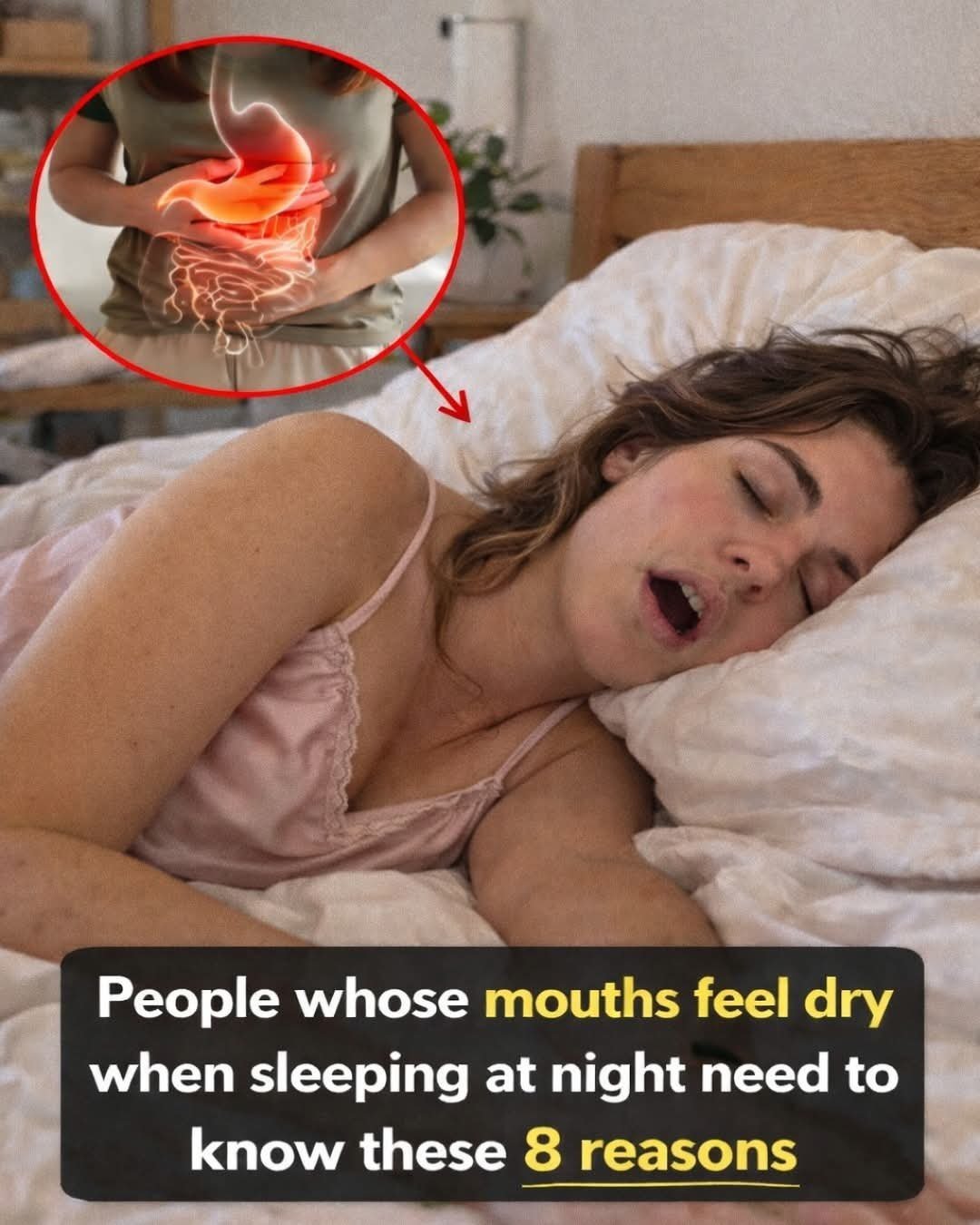
Waking up with a dry mouth can be uncomfortable and sometimes a sign of an underlying issue. Occasional dryness is common, but frequent symptoms may need attention.
1. Dehydration
Not drinking enough water during the day can leave your body low on fluids, leading to dryness at night.
2. Mouth Breathing
Breathing through your mouth—often due to a blocked nose or habit—can dry out saliva while you sleep.
3. Medications
Many common medicines (like antihistamines, antidepressants, or blood pressure drugs) can reduce saliva production as a side effect.
4. Snoring or Sleep Issues
Conditions like Sleep apnea can cause mouth breathing and dryness during the night.
5. Dry Air
Sleeping in a room with low humidity (especially with air conditioning or heaters) can dry out your mouth and throat.
6. Smoking or Alcohol
Both can reduce saliva and irritate oral tissues, worsening dryness.
7. Salivary Gland Problems
Issues affecting saliva production may lead to persistent dryness and discomfort.
8. Medical Conditions
Certain conditions like Diabetes or Sjogren’s syndrome can cause chronic dry mouth.
What You Can Do
Try simple steps like staying hydrated, using a humidifier, avoiding alcohol before bed, and keeping your nose clear. If the problem continues or worsens, it’s best to consult a healthcare professional.
The Bottom Line
Dry mouth at night is often harmless, but frequent symptoms can point to lifestyle factors or health conditions. Paying attention early can help you stay comfortable and healthy.