It might sound like a small habit, but regularly inspecting the walls of your home can save you from serious damage and costly repairs. Certain insects don’t just appear randomly—they often signal hidden problems that may be developing out of sight.
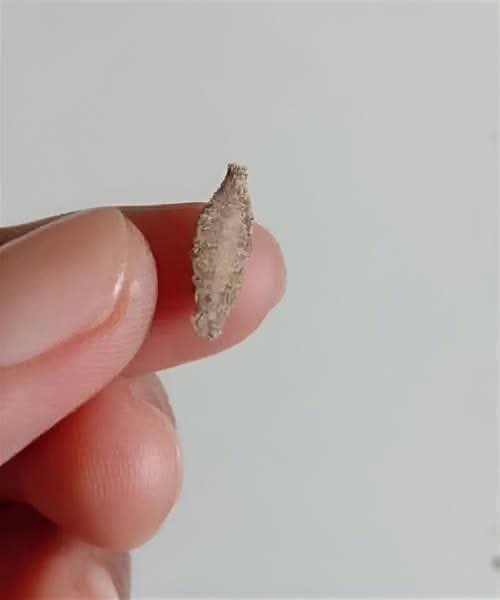
Tiny Holes and Fine Dust Could Mean Termites
If you notice small holes in the wall or a powdery substance that looks like sawdust, it could be a sign of termites. These insects feed on wood from the inside out, meaning damage can go unnoticed until it becomes severe. Hollow-sounding walls or bubbling paint are also warning signs worth paying attention to.
Lines or Trails May Indicate Ant Infestation
Seeing thin lines of ants moving along walls or corners usually means there’s a colony nearby. While some ants are harmless, others can damage wood or contaminate food. Their presence often points to hidden cracks, moisture, or leftover food sources inside the walls.
Dark Spots and Musty Smells Could Signal Moisture Pests
Insects like cockroaches and silverfish are attracted to damp, dark areas. If you see small dark spots, shed skins, or detect a musty odor, it might indicate excess moisture inside your walls—something that can also lead to mold growth.
Small Wings or Dead Insects Near Windows
Finding tiny wings or dead insects around windowsills or wall edges can be another red flag, especially for termites or flying ants. These insects often shed their wings after finding a place to nest, which may already be inside your home.
What These Signs Really Mean
The presence of these insects usually isn’t just about pests—it often points to deeper issues like moisture buildup, wood decay, or structural weaknesses. Ignoring early warning signs can allow the problem to grow quietly over time.
Stay Ahead with Simple Checks
Make it a habit to inspect corners, baseboards, and wall surfaces every few weeks. Keeping your home dry, sealed, and clean goes a long way in preventing infestations. If you notice repeated signs, it’s wise to call a pest control professional before the situation worsens.
A few minutes of observation today can prevent major damage tomorrow.