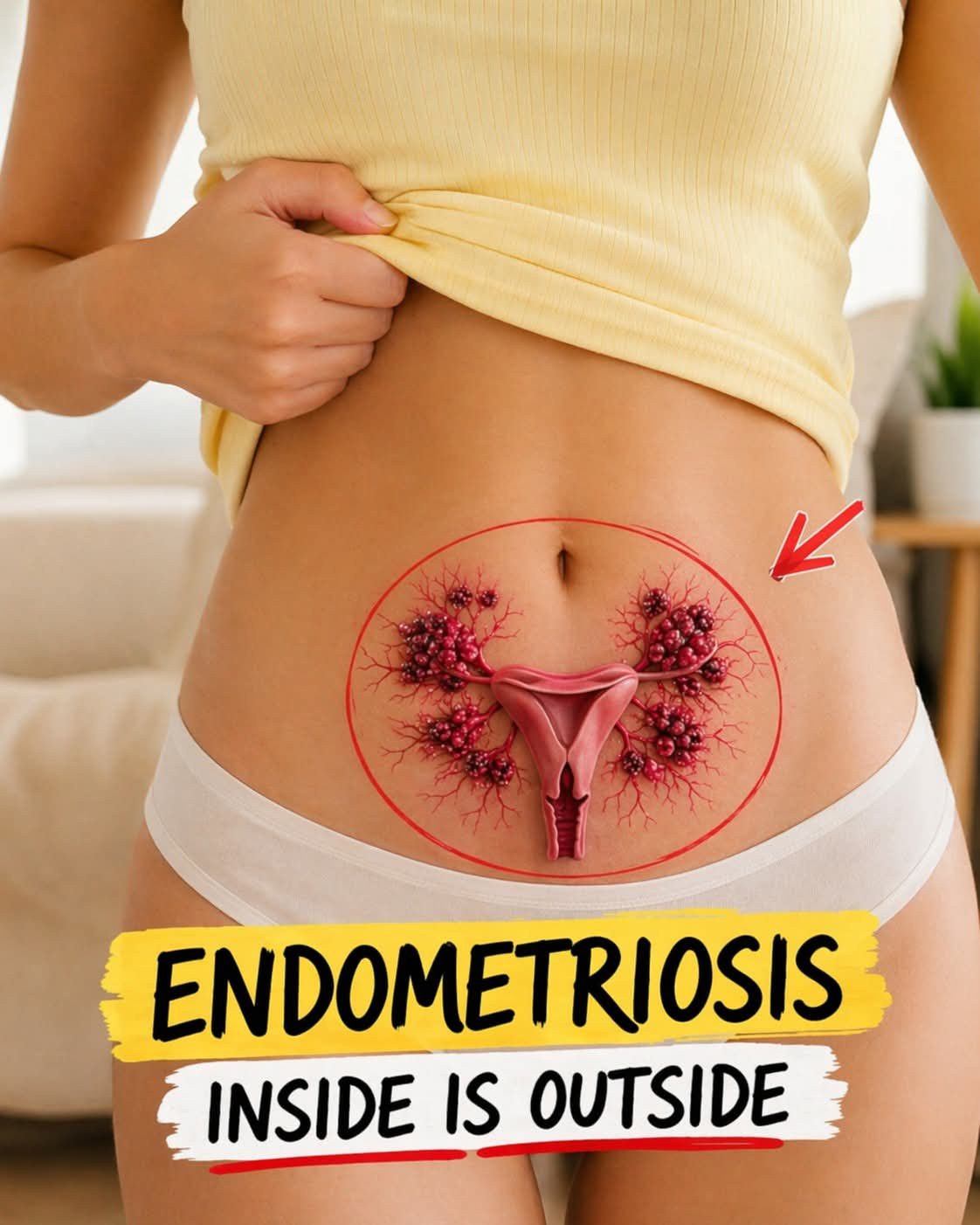
Endometriosis is a common but often misunderstood condition that affects millions of women worldwide. It happens when tissue similar to the lining of the uterus grows outside the uterus—such as on the ovaries, fallopian tubes, or other areas in the pelvis. This tissue still responds to hormonal changes, which can lead to pain and inflammation.
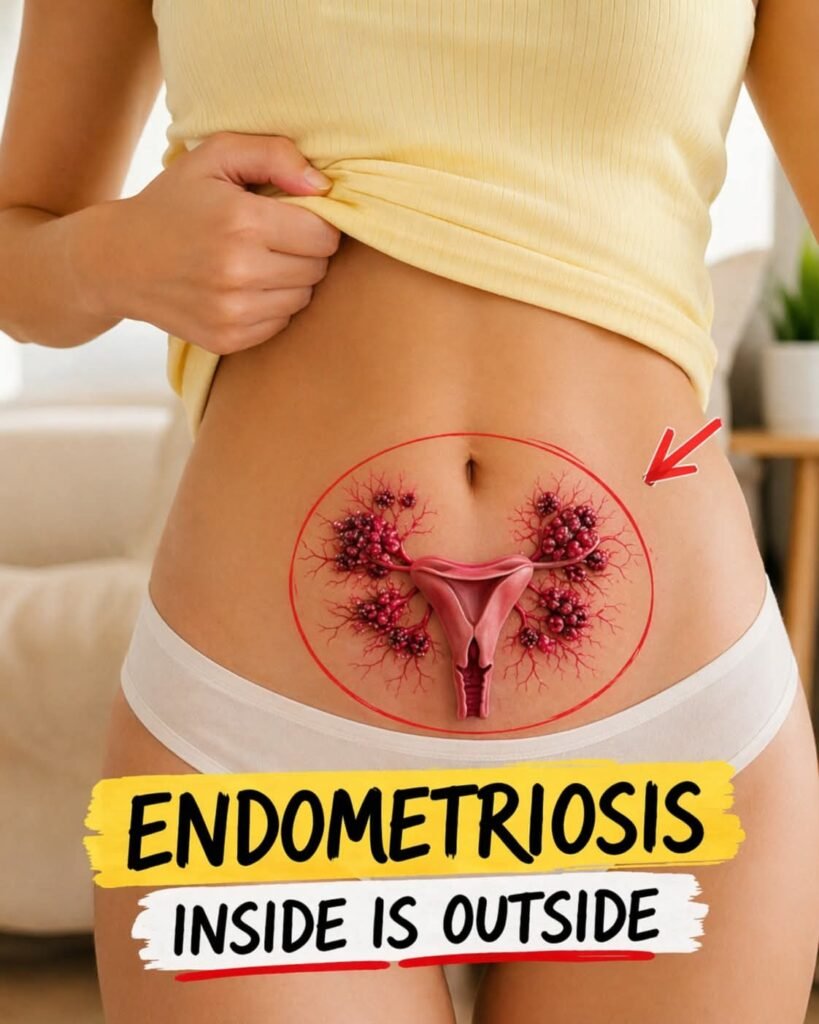
One of the most noticeable signs of endometriosis is severe menstrual pain that goes beyond typical cramps. Many women also experience heavy periods, pain during or after intercourse, lower back pain, and ongoing pelvic discomfort. In some cases, it can also affect fertility, making it harder to get pregnant.
Because the symptoms can be mistaken for normal period pain or other conditions, endometriosis is often diagnosed late. That’s why awareness is so important. If pain is intense, persistent, or interfering with daily life, it’s worth seeking medical advice rather than ignoring it.
While there is no simple cure, treatments are available to manage symptoms. These may include pain relief medications, hormone therapy, or, in some cases, surgery. Early diagnosis and proper care can make a significant difference in quality of life.
Understanding endometriosis helps women recognize when something isn’t normal—and encourages them to seek the support and treatment they deserve.