Seeing purple or bluish veins on your legs can be surprising, but it usually isn’t a mysterious “sign” of something unusual. In most cases, it’s related to common vein conditions rather than a hidden message about your health or personality.
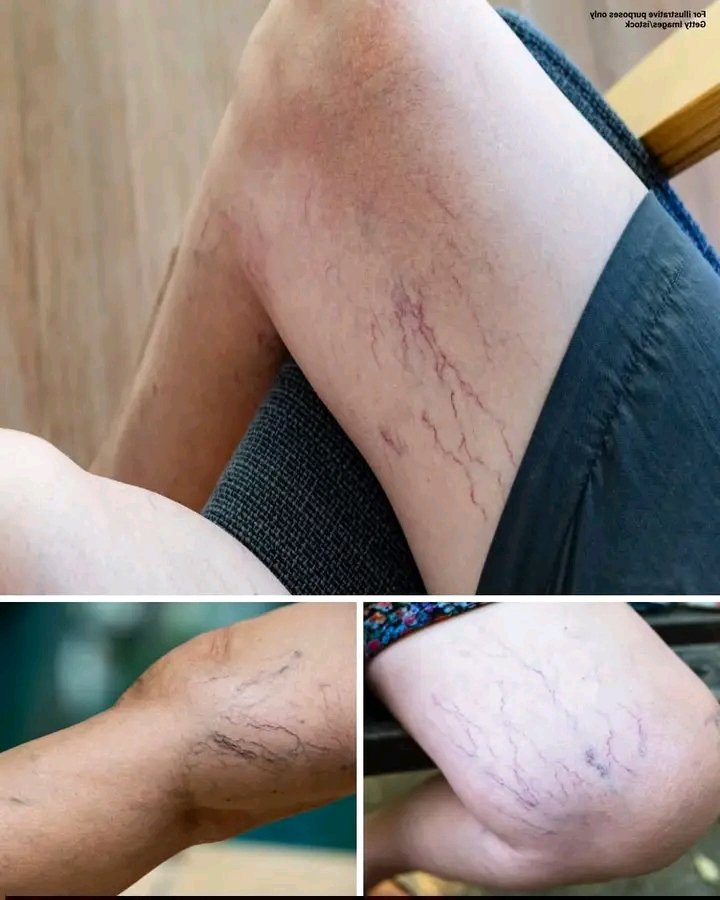
These visible veins are often spider veins or varicose veins. They happen when tiny valves inside your veins weaken, causing blood to pool and making the veins more noticeable under the skin. This can give them a purple, blue, or reddish appearance.
Several factors can increase the chances of developing them. These include standing or sitting for long periods, lack of physical activity, aging, hormonal changes, pregnancy, or a family history of vein issues. For many people, they are mostly a cosmetic concern, but sometimes they can cause aching, heaviness, or discomfort in the legs.
While they are usually harmless, it’s a good idea to pay attention if you notice swelling, pain, or skin changes around the veins. In such cases, consulting a healthcare professional can help rule out more serious circulation problems.
Simple habits like regular exercise, elevating your legs, and avoiding long periods of inactivity can help manage or reduce their appearance. In short, purple veins don’t define you—they’re just a common physical condition that many people experience.