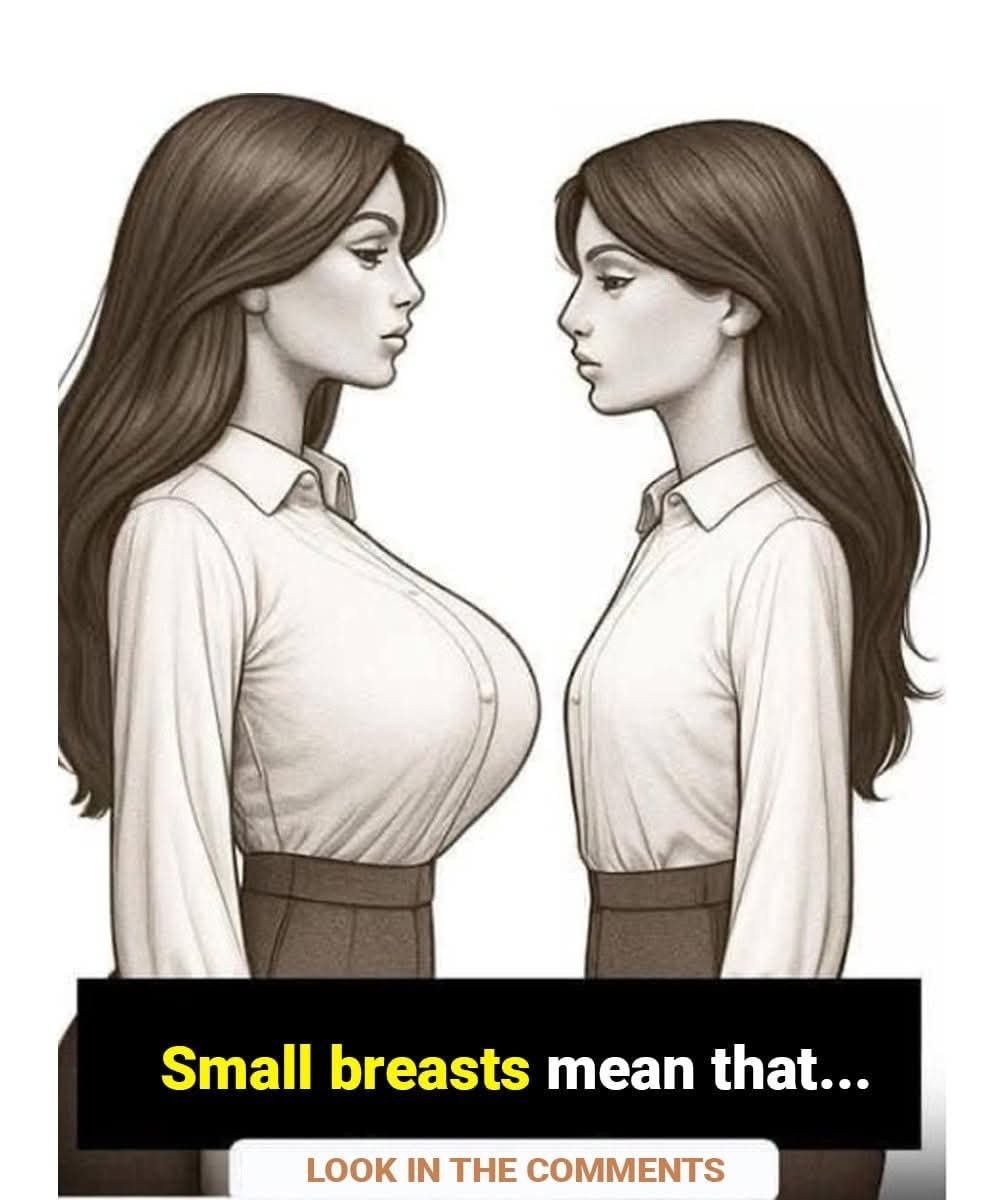
Many internet myths claim that a woman’s breast size reveals information about other intimate parts of her body. Scientifically, this is not true.
Breast size is mainly influenced by genetics, hormones, body fat distribution, age, and overall body structure. It does not accurately predict the size, appearance, sensitivity, or function of any other part of the female body.
Why This Myth Spreads
Social media, gossip, and unrealistic beauty standards often create false assumptions about women’s bodies. People sometimes try to connect unrelated physical features, but human anatomy is much more complex than these stereotypes suggest.
A woman with small breasts is not “less developed,” just as a woman with larger breasts is not automatically more feminine or more attractive. Bodies naturally vary from person to person.
What Actually Matters
Health, confidence, comfort, and emotional well-being matter far more than body measurements. Physical appearance alone cannot define a person’s beauty, value, personality, or intimate relationships.
Healthy relationships are built on:
Respect
Trust
Communication
Emotional connection
—not on body myths.
Understanding Natural Body Diversity
Just like height, skin tone, or eye shape, breast size is simply a natural variation of the human body. There is no single “perfect” or “normal” size that determines femininity or attractiveness.
Medical professionals do not use breast size to judge reproductive health or intimate anatomy because there is no scientific connection.
Final Thought
A woman’s breast size does not reveal private truths about her body or intimate life. Human anatomy is unique, and respectful, science-based understanding is always more accurate than internet myths or stereotypes.