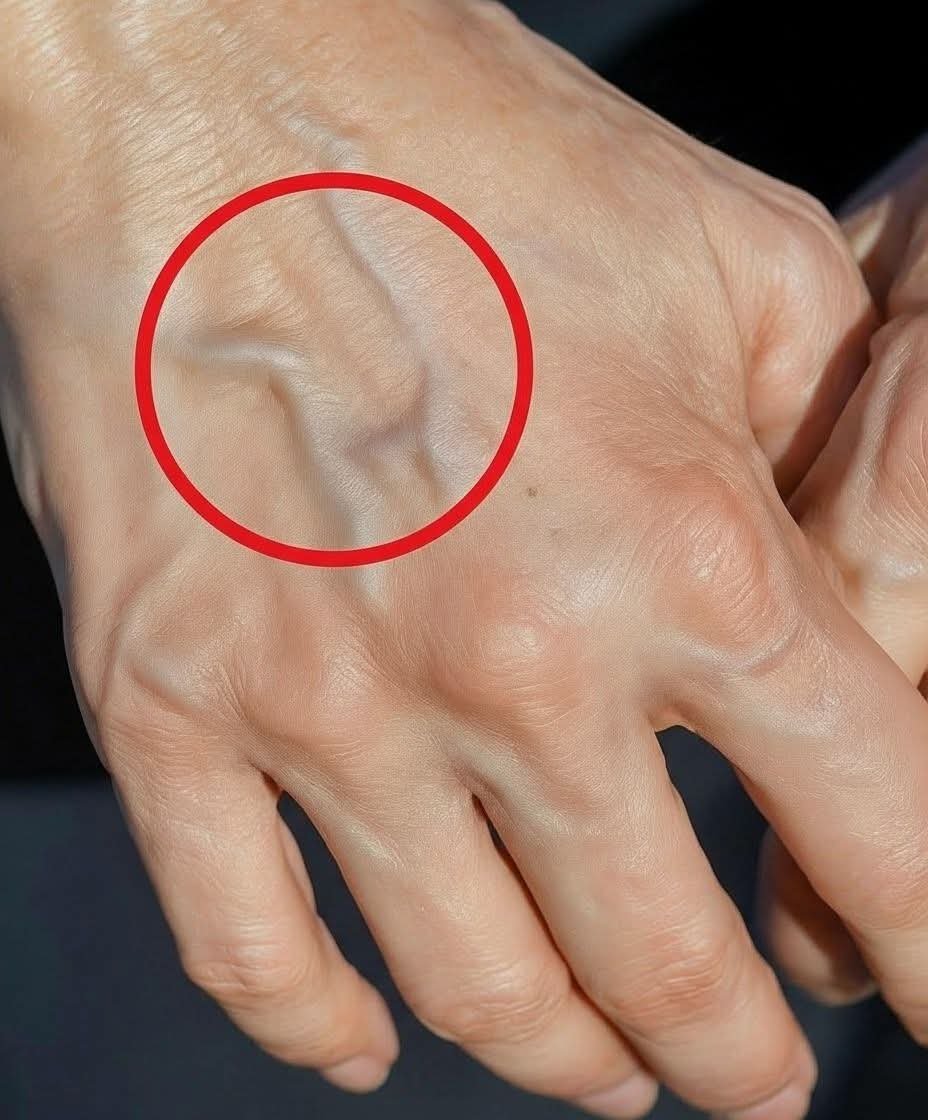
If you have visible veins, it usually does not mean something is wrong. In many cases, visible veins are completely normal and are influenced by natural body characteristics such as skin tone, body fat percentage, age, genetics, and physical activity.
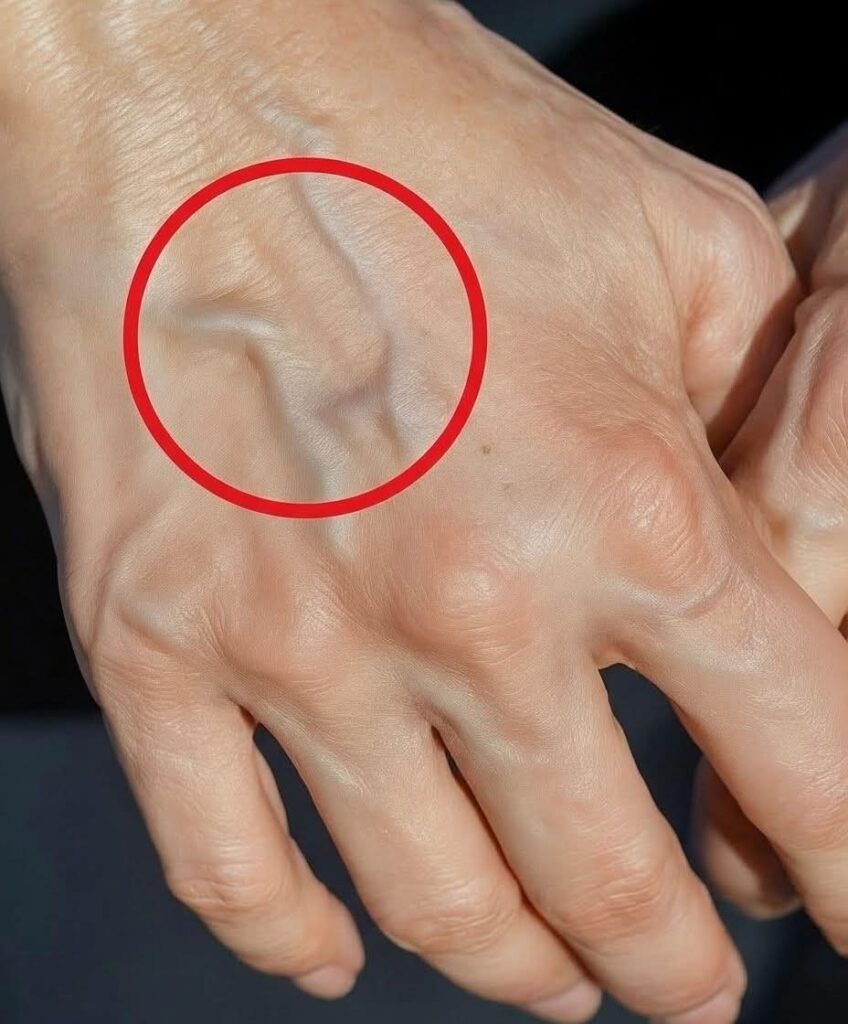
People with lighter or thinner skin often notice veins more easily because there is less tissue covering them. Athletes and physically active individuals may also have more noticeable veins due to lower body fat and increased blood circulation.
Common Reasons Veins Become More Visible
Visible veins can appear for several harmless reasons:
Low body fat levels
Exercise or weight training
Warm temperatures
Aging and thinner skin
Genetics
Increased blood flow
For many people, especially those who exercise regularly, visible veins are simply a sign that blood vessels are closer to the skin’s surface.
When It Could Signal a Health Issue
Although visible veins are usually harmless, there are situations where they may indicate a medical condition. Bulging, painful, swollen, or twisted veins can sometimes be linked to circulation problems such as varicose veins or poor vein function.
You should consider medical advice if visible veins are accompanied by:
Pain or tenderness
Swelling
Skin discoloration
Burning or itching
Sudden changes in appearance
The Social Media Myth
Many online posts claim that visible veins automatically mean someone is extremely healthy, dehydrated, muscular, or has “high blood pressure.” In reality, visible veins alone cannot accurately diagnose health, fitness, or medical conditions.
The human body naturally varies from person to person, and vein visibility is often just a normal physical trait.
Final Thought
Visible veins are most commonly a normal part of human anatomy. Factors like genetics, skin thickness, fitness level, and body composition usually play a much bigger role than any hidden medical issue.